【AMNews】Nikon Advanced Manufacturing (Nikon AM) has secured an official contract from the U.S. Department of War (DOW), under which it will deploy multiple customised large-format metal additive manufacturing systems for the production of Tomahawk Land Attack Missile (TLAM) mid-bodies and other comparable defense components.
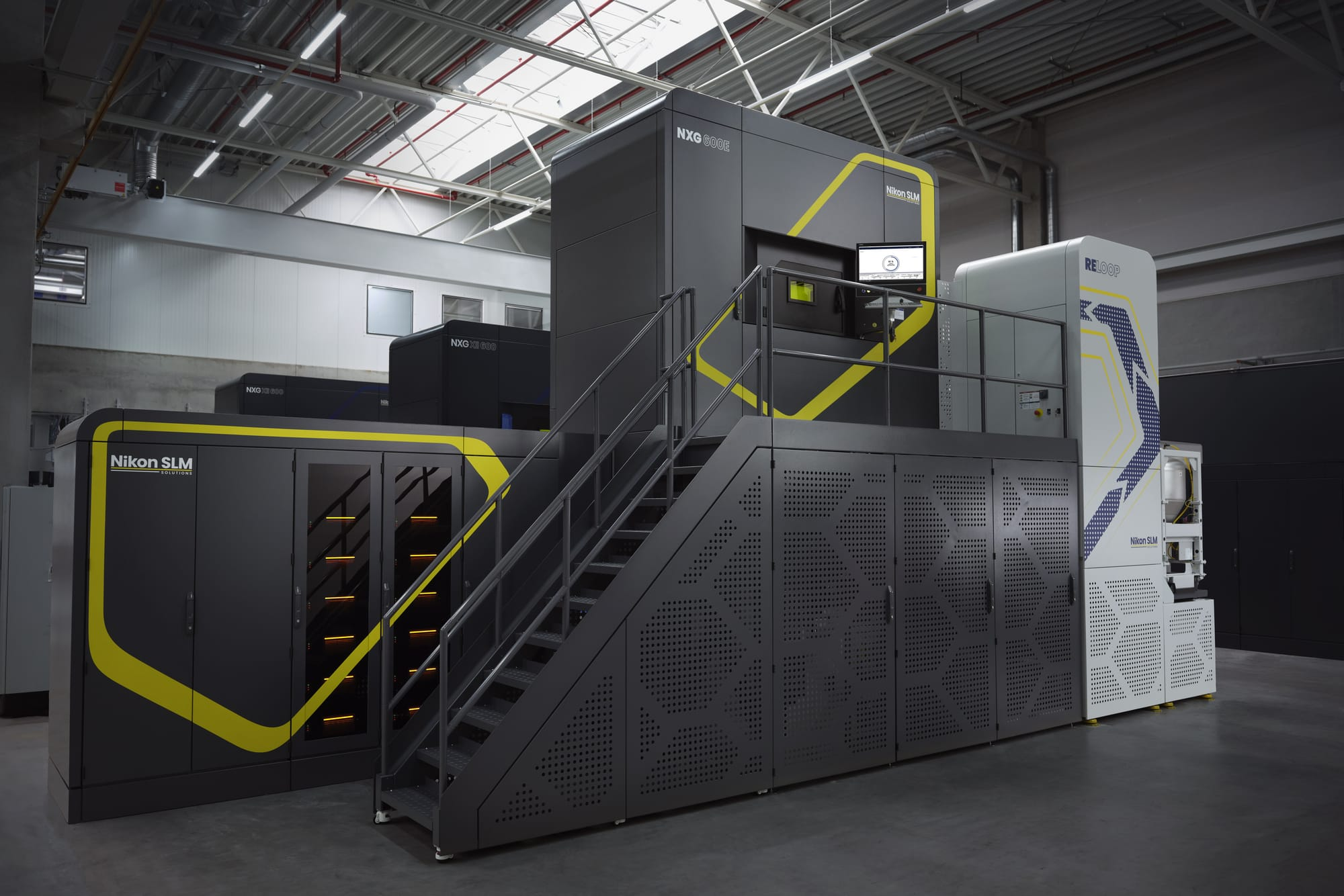
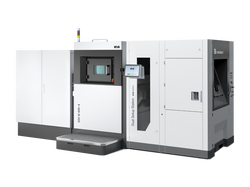
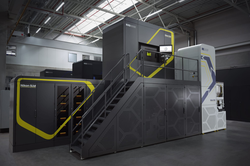
These metal 3D printing systems are built on the flagship NXG-E platform from Nikon SLM Solutions, with a 2-metre Z-axis build height and laser powder bed fusion (L-PBF) technology. All units will be installed at Nikon AM’s Technology Center in Long Beach, California, supporting both prototype development and the scaled production of critical parts.
To deliver the project reliably, Nikon AM will mobilise its full industrial capability portfolio: alongside its industry-leading L-PBF equipment lineup, the company will deploy in-house engineering expertise, volume production lines, dedicated laboratories and complete qualification frameworks, providing end-to-end support from process development and mass manufacturing to quality validation.
The DOW contract was awarded against the backdrop of urgent demand to ramp up tactical munitions output and strengthen the U.S. domestic defense industrial base. As the defense sector faces mounting capacity pressure, additive manufacturing has become a key production option for high-end defense hardware such as missiles, thanks to its ability to form complex integrated structures, cut lead times and simplify supply chains.
Hamid Zarringhalam, General Manager and CEO of Nikon Advanced Manufacturing, said Nikon AM remains deeply focused on addressing advanced manufacturing needs in defense, and is fully committed to building core production capacity for the defense industrial base of the U.S. and its allies. Leveraging Nikon’s long track record of innovation and scalable delivery capacity, he added, the team will move quickly to roll out the customised solution and accelerate capacity expansion for TLAM and other critical defense systems.
The partnership represents another key milestone for large-format metal additive manufacturing, as the technology shifts from defense prototyping into serial production of core components, further demonstrating the scalability and practical value of L-PBF technology in high-end equipment manufacturing.